Little Miss Lucky Charm
First Impression: Festive, Friendly, and Booth-Ready
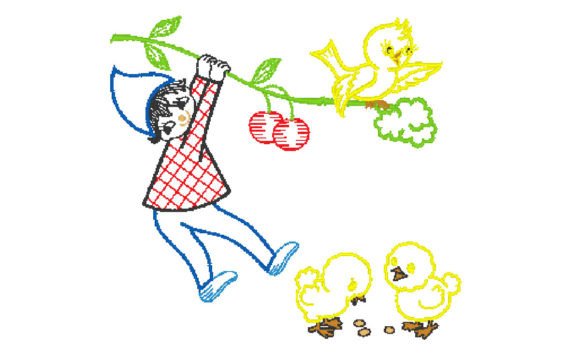
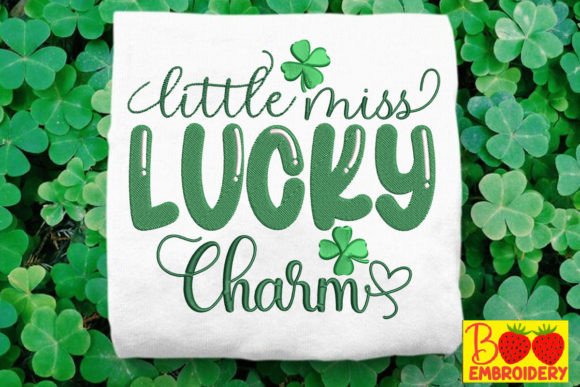
As an embroidery designer who’s prepped over 200 craft fair booths—from downtown pop-ups to rural farmers’ markets—I instantly recognize what makes a design *stop traffic*: charm, clarity, and seasonal relevance. Little Miss Lucky Charm delivers all three. It reads as festive without being loud, cute without tipping into cutesy overload, and distinctly St Patrick S Day without leaning on clichés like oversized shamrocks or leprechaun hats. That subtle balance is gold for handmade product displays. Customers scanning your table don’t pause for busy graphics—they pause for personality. And Little Miss Lucky Charm has it.
Where It Shines: Real Craft Fair Product Pairings
This machine embroidery design thrives where handmade warmth meets everyday utility. On a natural canvas tote bag? Perfect—clean lines hold up at 4–5 inches wide, and the whimsical name invites conversation. As apron embroidery? Ideal for front-pocket placement: legible, joyful, and just the right size to complement a small shop’s branding. For tea towel embroidery, it lands beautifully in the lower corner or centered near the hem—soft enough for kitchen charm, bold enough to catch the eye of someone browsing for hostess gifts.
It also works brilliantly as an embroidered patch—especially when backed with iron-on adhesive for no-sew versatility. Small fabric pouches and market bags get instant uplift from this design; it adds handmade distinction without overwhelming the item’s function. Pillow covers? Yes—scaled to 6 inches, it reads clearly across linen or cotton duck. And for booth samples, I always stitch Little Miss Lucky Charm onto a folded tea towel draped over a vintage crate—it’s photogenic, tactile, and tells a story before a single word is spoken.
What Makes It Sell Online—and In-Person
Etsy sellers and small shop owners know this truth: if it doesn’t photograph well, it won’t convert. Little Miss Lucky Charm photographs cleanly. Its balanced proportions, open letter spacing, and moderate stitch density avoid the “muddy” look that plagues dense embroidery files on textured towels or dark fabric. That means your printable mockup translates reliably to real-life listings—and your Instagram flat-lay shots will show crisp detail, not fuzzy edges.
It’s also highly repeatable for batch production. No tiny lettering that vanishes at 2.5 inches. No micro-details that snag on thick stabilizer or blur on terry cloth. You can confidently run 12 identical embroidered patches or 20 aprons in one afternoon—without constant thread breaks or rehooping. That consistency builds trust in your brand and streamlines your workflow, whether you’re fulfilling Etsy orders or restocking your craft fair rack.
Careful-Use Notes: Respect the Fabric, Honor the Design
That said—every great embroidery file has boundaries. Little Miss Lucky Charm performs best on medium-weight woven fabrics (cotton, linen, canvas) with light-to-moderate texture. Avoid pushing it onto heavy denim or nubby burlap: dense stitch areas may pucker or lose definition. On curved surfaces like caps, test hoop placement first—the design’s slight vertical flow means center-front placement works better than side panels.
For dark fabric, choose high-contrast thread colors (kelly green on black, cream on navy) and confirm visibility at arm’s length. On textured towels, use cutaway + tear-away stabilizer combo and reduce top tension slightly—this keeps the design lifted and legible. And never skip the test stitch: run Little Miss Lucky Charm on scrap fabric *in your exact production setup*, using your go-to thread colors and stabilizer. What looks perfect in software often shifts under needle pressure.
Design Assets That Elevate Your Entire Booth
When you’re curating a cohesive craft fair display, every element supports your brand voice. Little Miss Lucky Charm reinforces a warm, approachable, quality-focused identity. It doesn’t scream “sale”—it whispers “thoughtfully made.” That nuance lifts perceived value across your entire lineup: a $28 embroidered tote feels premium beside a $12 printed one; a $32 linen apron feels intentional, not incidental.
Pair it with complementary design assets—simple clover motifs for tags, soft green packaging tape, handwritten price cards—and your booth gains rhythm and recognition. Buyers remember how your products *feel* together. And because Little Miss Lucky Charm is inherently giftable (think: new mom, teacher gift, hostess present), it expands your customer reach beyond holiday shoppers into year-round gifting audiences.
Pro Designer Checklist Before You Stitch
- Test the embroidery file on scrap fabric matching your production material
- Verify thread contrast—especially on dark or textured surfaces
- Review spacing between elements; ensure no crowding at smaller sizes
- Confirm hoop size compatibility with your machine and product type
- Inspect stitch density—avoid excessive overlap in tight curves or letters
- Choose stabilizer based on fabric weight and texture (cutaway for knits, tear-away for stable wovens)
- Create at least one real-world mockup—not just digital—before listing or packing
- Compare how the design reads across multiple fabric colors (cream, sage, charcoal, oat)
- Confirm commercial licensing terms—this is essential for selling finished products
Final Thought: More Than a St Patrick S Day Design
Little Miss Lucky Charm isn’t just another seasonal embroidery file—it’s a versatile, emotionally resonant asset for creative entrepreneurs. It fits seamlessly into your existing product ecosystem while inviting new opportunities: cross-selling with matching patches, bundling tea towels with embroidered pouches, or launching a limited “Lucky Line” collection for spring markets. For craft fair sellers, handmade shop owners, and Etsy sellers alike, it’s proof that thoughtful design—paired with smart production habits—builds both sales and loyalty. Stitch it right, display it with care, and watch customers smile before they even reach for their wallets.