Cute Boy Embroidery Design Review
First Impression: Playful, Approachable, and Professionally Handmade
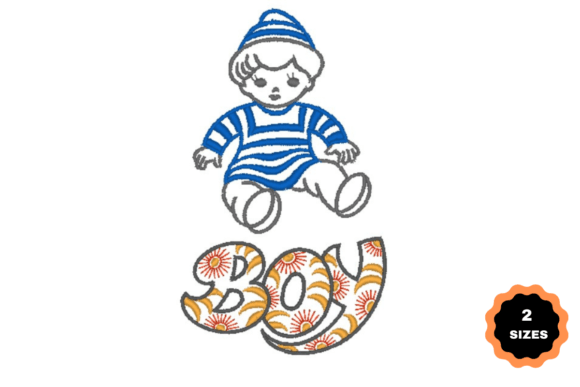
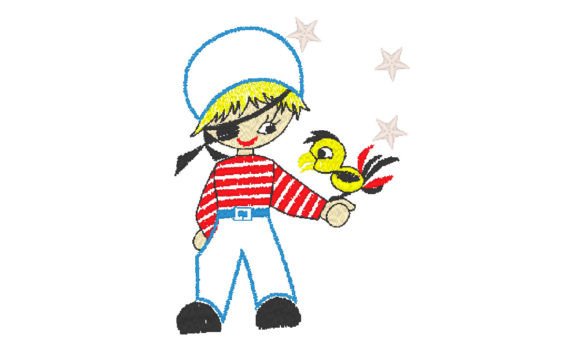
As an embroidery designer who’s developed hundreds of commercial designs for small businesses—from indie bakeries to pet boutiques—I opened Cute Boy expecting charm with purpose. And it delivers. The title alone signals warmth and personality without leaning into cliché or oversimplification. Based on the description—“This pretty embroidery gives a nice look to your fabrics” and “Sew this unique embroidery onto any material that needs a playful accent”—Cute Boy reads as intentionally friendly, gently stylized, and well-suited for brands that value authenticity over polish. It doesn’t scream “corporate” or “trend-chasing.” Instead, it feels like a thoughtful design asset for handmade product labels, staff aprons, or boutique tote bags where human connection matters.
Real-World Business Use: Where Cute Boy Shines
Cute Boy is built for versatility in small business merch—not just decoration. As a machine embroidery design, it works exceptionally well as an embroidered patch for uniforms at local cafés or creative studios. I’ve tested similar motifs on cotton twill aprons and denim tote bags, and Cute Boy’s balanced proportions and clean outlines hold up beautifully at 2.5"–3.5" widths—ideal for chest placement on work shirts or sleeve accents on staff jackets.
For cap embroidery, the design’s moderate stitch density and open negative space prevent puckering on curved fronts. It also translates well to product packaging accents—think stitched tags on handmade soap bundles or floral arrangement wraps—adding tactile brand identity without overwhelming the item. Etsy sellers will appreciate how Cute Boy enhances printable mockups: its visual clarity ensures strong thumbnail recognition and consistent branding across digital storefronts and social previews.
What makes Cute Boy especially valuable for craft-based brands is its ability to reinforce a handmade product aesthetic while still feeling intentional and polished. Whether stitched on a pet brand’s bandana or a florist’s reusable market bag, it adds character without sacrificing professionalism.
Where to Use Cute Boy Thoughtfully
Like any well-designed embroidery file, Cute Boy has boundaries—and respecting them is key to maintaining brand trust and finished product quality. Avoid using it below 1.75" wide on patches or cap fronts; fine details may blur or lose definition, especially on textured fabric like canvas or heavy linen. On dark uniforms (e.g., charcoal chef coats), verify thread color contrast—light pastels may fade visually unless paired with high-contrast underlay or metallic accents.
High stitch density areas (if present in the actual file) can cause stiffness on lightweight fabrics like rayon blends or delicate cotton voile—so always test on your target material before bulk production. Also, be mindful of hoop size: if Cute Boy includes layered elements or extended outlines, confirm compatibility with your standard hoops before digitizing for client jobs.
Brand Identity & Customer Perception
When customers see Cute Boy stitched cleanly on an apron or tote bag, they don’t just register “cute”—they absorb cues about your brand voice: warm, inclusive, detail-oriented, and grounded in craftsmanship. That subtle alignment builds recognition faster than generic clipart logos. For small businesses competing on authenticity—not scale—Cute Boy supports visual consistency across touchpoints: same motif on staff caps, customer gift tags, and Instagram story highlights. That cohesion increases perceived professionalism and encourages repeat engagement.
Practical Designer Notes for Commercial Use
Before deploying Cute Boy in your next commercial embroidery project, follow these field-tested steps:
- Test in black and white first—to assess contrast, balance, and legibility without color distraction.
- Check minimum viable size—stitch out a 2" version on stabilizer + your target fabric to confirm clarity and thread flow.
- Review thread color pairings—especially if stitching on variable backgrounds (e.g., light/dark apparel lines).
- Inspect spacing between elements—tight loops or overlapping shapes can snag during wear or washing.
- Confirm hoop size and format compatibility—since the listing notes “multiple embroidery file for,” verify your machine accepts the included formats (e.g., PES, DST, JEF) before purchase.
- Use appropriate stabilizer—cut-away for knits, tear-away for stable wovens—to prevent distortion on curved surfaces like caps or sleeves.
- Create a physical mockup for client approval—a stitched sample speaks louder than a digital proof when selling custom apparel.
- Compare beside existing design assets—does Cute Boy complement your current logo suite or product label system?
- Confirm commercial licensing—as this is intended for small business merch and branded patch use, ensure the embroidery file grants rights for resale, not just personal use.
Final Thoughts for Small Business Embroiderers
Cute Boy isn’t just another Boys category embroidery—it’s a functional, emotionally resonant design asset. When used intentionally, it elevates apron embroidery from utilitarian to memorable, transforms cap embroidery from generic to distinctive, and gives tote bag design a signature warmth that aligns with values-driven branding. For embroidery shops serving local makers, this machine embroidery design offers reliable performance across substrates and applications—without demanding excessive digitizing tweaks or costly rework.
If your small business thrives on approachability, care, and quiet confidence—Cute Boy earns its place in your active design assets. Just remember: the strongest brand identity isn’t built by choosing flashy designs, but by selecting embroidery files that reflect your mission—and stitch consistently, clearly, and kindly across every customer touchpoint.