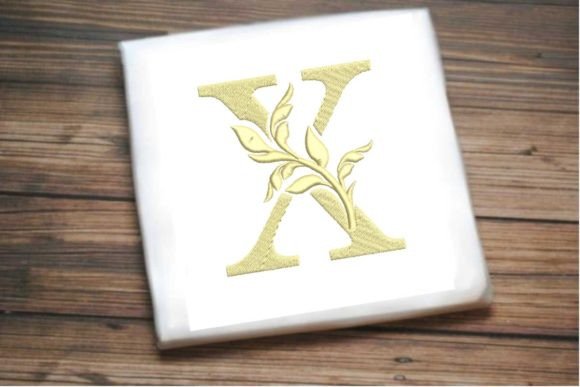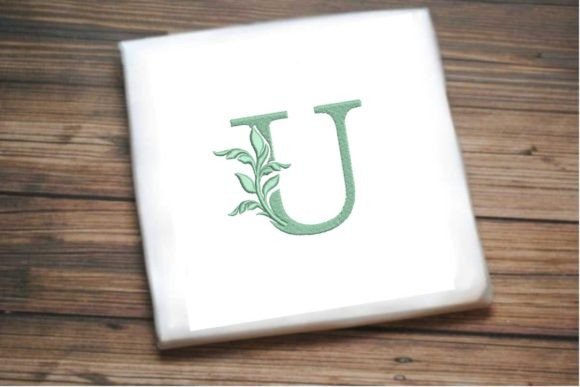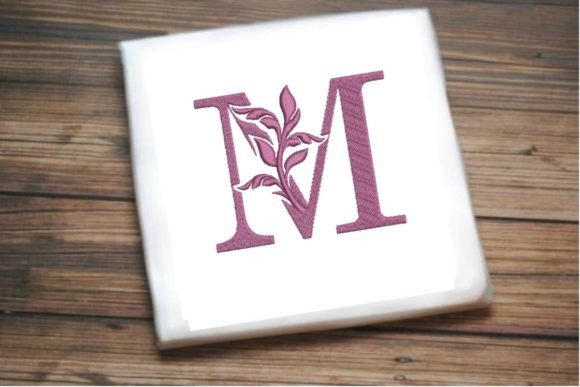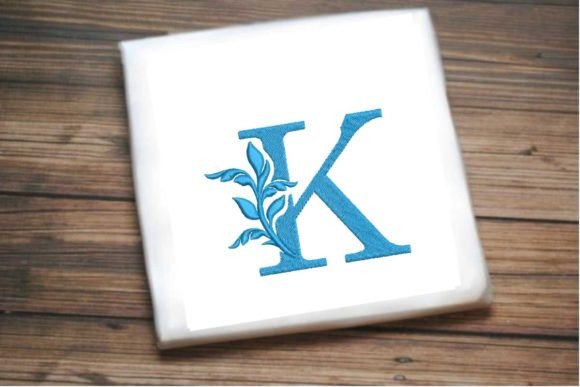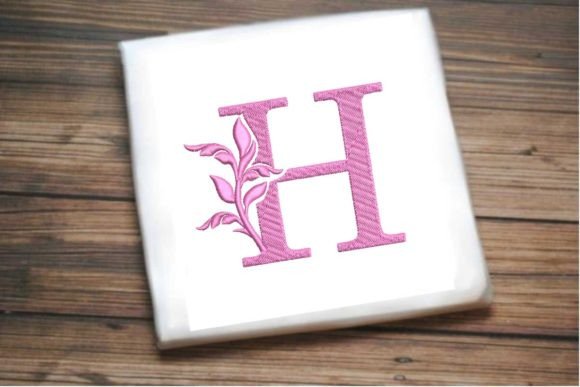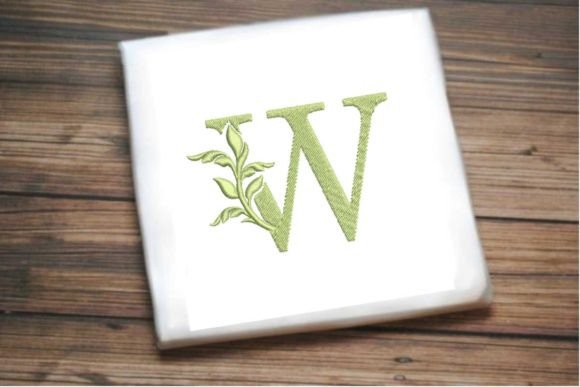
Letter W Beautiful Monogram
First Impression: Elegant Simplicity That Stops Shoppers in Their Tracks
As an embroidery designer who’s prepped over 200 craft fair booths—and watched thousands of hands pause, pick up, and linger over stitched goods—I can tell you: Letter W Beautiful Monogram lands with quiet confidence. It doesn’t shout. It doesn’t lean into whimsy or trend-chasing. Instead, it reads as elegant, refined, and intentionally graceful. The word “Beautiful” in the title isn’t filler—it cues buyers to expect something that feels premium, not generic. This isn’t a playful “W” for kids’ onesies or a distressed rustic monogram for farmhouse signs. It’s a Wedding Monogram design that breathes sophistication—ideal for bridesmaids’ robes, linen napkins, or delicate pillow covers displayed beside vintage lace at your booth.
Where It Shines: Craft Fair Products That Let the Letter Breathe
On tote bag designs, Letter W Beautiful Monogram works best centered on the lower right corner (not dead center)—small enough to feel intentional, large enough to read from three feet away. Paired with natural canvas or oat linen, it whispers quality without competing with bold prints.
For apron embroidery, place it just above the pocket or subtly on the chest strap. Its clean lines hold up beautifully against cotton duck or medium-weight denim—no distortion, no visual clutter. On tea towel embroidery, it shines brightest on smooth, tightly woven flour-sack or Belgian linen. Avoid highly textured towels unless you’re willing to double-stabilize—the design’s elegance relies on crisp edges, not fuzzy interpretation.
Letter W Beautiful Monogram is a standout for embroidered patches: stitch it on twill or felt, then heat-seal or sew onto denim jackets, market bags, or tote straps. As a small shop product, these patches are low-risk, high-margin, and easy to photograph for Etsy listings. On caps, proceed with caution—curved surfaces compress letterforms. Test stitch on scrap first; if the W’s curves flatten or pinch, scale up slightly or skip caps entirely.
It’s especially effective on pillow covers and fabric pouches. A single monogram on ivory linen or blush velvet elevates gifting instantly. At craft fairs, these items draw buyers looking for “finished product” energy—not DIY kits, but heirloom-adjacent pieces they’ll keep, gift, or display.
What Makes It Sell: Clarity, Consistency, and Commercial Readiness
This isn’t just another machine embroidery design. It’s a craft fair product built for attention economy. At a glance, shoppers recognize it as a letter—not an abstract shape or overworked motif. That matters when your booth has 37 other vendors vying for eye contact in under five seconds.
It scales gracefully: works at 2.5” for a patch, 4.25” for a tote, and 6” for a pillow cover—no awkward stretching or pixelation. And yes, it photographs well. Clean lines + neutral thread colors = crisp printable mockup assets for your Etsy seller page or Instagram carousel. No filters needed.
Batch production? Yes—Letter W Beautiful Monogram is inherently repeatable. Low stitch density (based on its “fun and easy to stitch” description), balanced spacing, and no micro-details mean fewer thread breaks, faster hooping, and consistent results across dozens of pieces. That’s gold for small shop owners juggling orders, fair prep, and family life.
Careful-Use Notes: Protect Your Reputation—and Your Thread
Don’t assume “elegant” means “foolproof.” Here’s where judgment matters:
- Dense stitch areas? If the W includes inner flourishes or shadowing, test on dark fabric—you may lose definition without metallic or high-contrast thread.
- Tiny details? Avoid scaling below 1.75”. Small lettering blurs on textured towels or thick terry cloth.
- Curved surfaces? Caps, curved mugs (if used for iron-on transfers), or rounded pouch seams demand re-hooping and stabilizer adjustments.
- Fabric texture matters. Skip burlap, heavy jacquard, or loosely woven seersucker unless you’ve tested stabilization thoroughly.
Designer-to-Designer Reality Checks Before You Stitch
Before cutting fabric or loading your embroidery file:
- Test Letter W Beautiful Monogram on scrap fabric matching your final product—same weight, same weave, same dye lot.
- Check thread contrast: ivory thread on cream linen reads differently than white on oat. Hold samples side-by-side in natural light.
- Review spacing between elements—especially if pairing with names or dates later (e.g., for wedding monogram sets).
- Confirm hoop size compatibility. Does it fit your standard 4x4 or require 5x7? That impacts your machine workflow and booth setup speed.
- Inspect stitch density visually—not just on screen. Dense fills trap moisture and add stiffness; light fills risk transparency on dark fabric.
- Use the right stabilizer: tear-away for stable wovens, cut-away for knits or stretchy fabrics, and water-soluble for delicate overlays.
- Create at least one real mockup—not digital. Drape it on a tote, pin it to an apron, hold it beside your tea towel stack. See how it lives in 3D space.
- Compare fabric colors under booth lighting. What looks warm in daylight may read cool under LED string lights.
- Verify commercial licensing. Since this is positioned as a commercial embroidery asset, confirm you’re cleared to sell finished products—not just personal use.
Why It Belongs in Your Booth—and Your Best-Selling Line
Letter W Beautiful Monogram strengthens your booth display strength by adding visual rhythm: one elegant anchor among bolder patterns or hand-lettered phrases. It signals craftsmanship—not just “I stitched this,” but “I chose this with intention.” Buyers connect that to handmade quality and product value.
It supports brand consistency across categories: same monogram on a pouch, pillow, and tea towel tells a cohesive story. And for Etsy sellers and boutique makers, it’s a versatile digital embroidery file that converts browsers into buyers—especially when bundled with coordinating design assets (like simple border files or complementary “&” motifs).
In short: Letter W Beautiful Monogram isn’t just another letter. It’s a quiet signature—refined, reliable, and ready to earn its place in your next craft fair lineup.